People often search for “manufacturing or warehouse jobs” when looking for work, career advice, or hiring information. But many users feel confused about what these jobs really mean, how they are different, and which term fits their needs.
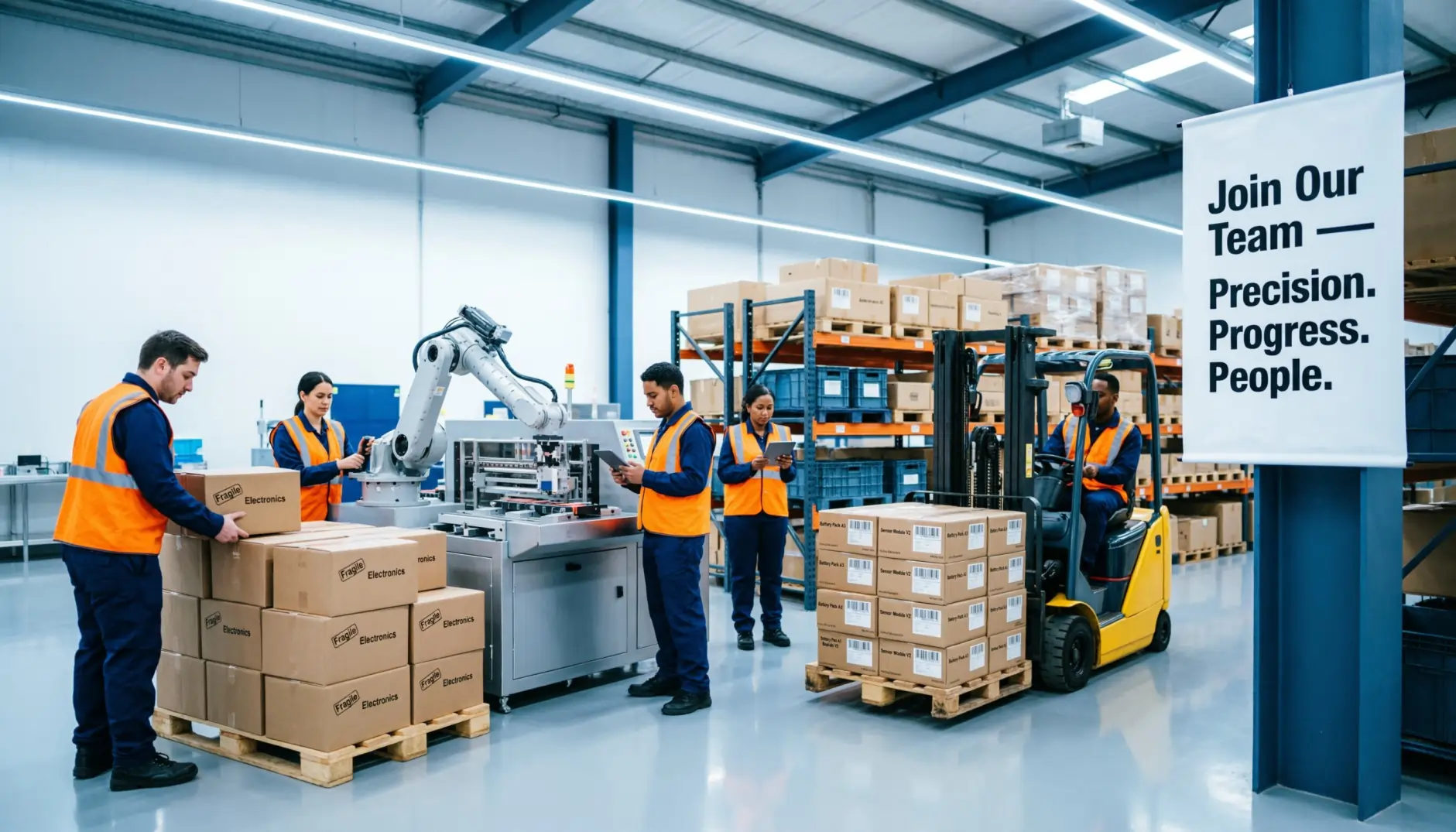
Manufacturing jobs and warehouse jobs are both important in factories, supply chains, and product delivery. Still, they are not the same. Manufacturing jobs focus on making products. Warehouse jobs focus on storing, packing, and shipping products.
This topic also creates confusion because job titles change by country, company, and industry. Some employers mix the terms together. Others use them separately. A worker may also move from warehouse work into manufacturing work over time.
In this guide, you will learn the meaning of manufacturing and warehouse jobs, their history, spelling differences in British and American English, common mistakes, and how these terms are used in real life. You will also see examples, trends, FAQs, and expert advice to help you choose the right wording for your audience or career search.
Manufacturing or Warehouse Jobs – Quick Answer
Manufacturing jobs involve making products in factories or production plants. Warehouse jobs involve storing, sorting, packing, and shipping products.
Examples
| Manufacturing Jobs | Warehouse Jobs |
|---|---|
| Machine operator | Picker and packer |
| Factory assembler | Forklift driver |
| Production worker | Warehouse associate |
| Quality inspector | Shipping clerk |
Manufacturing workers create goods. Warehouse workers move and manage goods.
The Origin of Manufacturing or Warehouse Jobs
The word “manufacturing” comes from the Latin words manu (hand) and factus (made). It first described goods made by hand before factories became common during the Industrial Revolution.
The word “warehouse” comes from old English and Germanic roots. It originally meant a place where goods were kept safe before sale or transport.
Over time, both industries grew together. Factories needed warehouses to store raw materials and finished products. Today, modern supply chains connect both roles closely.
Why Do Naming Differences Exist?
Different countries and companies use different job terms. For example:
- The US often says “warehouse associate.”
- The UK may say “warehouse operative.”
- Some companies use “production worker” instead of “manufacturing worker.”
These differences happen because of local language habits and workplace culture.
British English vs American English Spelling
The phrase “manufacturing or warehouse jobs” is mostly spelled the same in British and American English. However, related job terms can differ.
Common Differences
| American English | British English |
|---|---|
| Warehouse labor | Warehouse labour |
| Organization | Organisation |
| Fulfillment center | Fulfilment centre |
| Program | Programme |
American English usually prefers shorter spellings. British English keeps older forms from French and Latin influences.
Comparison Table: US vs UK Job Terms
| Context | US English | UK English |
|---|---|---|
| Job Ad | Warehouse Worker | Warehouse Operative |
| Factory Role | Manufacturing Technician | Manufacturing Operative |
| Shipping Center | Fulfillment Center | Fulfilment Centre |
Which Spelling Should You Use?
The best spelling depends on your audience.
Use American English If:
- Your audience is in the United States
- You write for US companies
- Your website targets US job seekers
Use British English If:
- Your audience is in the UK
- You write for Commonwealth countries
- Your company follows British style guides
Use Simple Global English If:
- Your audience is international
- You want easy readability
- You publish global job content
For global SEO, simple wording works best because more users understand it quickly.
Common Mistakes with Manufacturing or Warehouse Jobs
Common Mistakes & Correct Usage
| Mistake | Correct Version |
|---|---|
| Manufacturing jobs store products | Warehouse jobs store products |
| Warehouse jobs build products | Manufacturing jobs build products |
| Labour in US content | Labor |
| Fulfilment in US ads | Fulfillment |
Other Common Errors
- Mixing factory work with warehouse work
- Using UK spelling in US job listings
- Calling all logistics jobs “warehouse jobs”
Clear wording helps both job seekers and employers.
Manufacturing or Warehouse Jobs in Everyday Examples
In Emails
“ We are hiring warehouse associates for night shifts starting next Monday.”
In News Articles
“ Manufacturing jobs increased after the new factory opened.”
On Social Media
“ Looking for warehouse jobs near me with weekly pay.”
In Formal Writing
“ The company expanded manufacturing operations and added warehouse staff.”
In Job Listings
“ Experience in manufacturing or warehouse jobs preferred.”
Manufacturing or Warehouse Jobs – Google Trends & Usage Data
Search interest for manufacturing and warehouse jobs changes by country and industry.
Manufacturing Jobs Are Popular In:
- China
- Germany
- United States
- Japan
These countries have large factory industries.
Warehouse Jobs Are Popular In:
- United States
- United Kingdom
- Canada
- Australia
Growth in online shopping has increased warehouse hiring worldwide.
Common Search Terms
| Search | Purpose |
|---|---|
| Warehouse jobs near me | Local job search |
| Manufacturing jobs hiring | Factory employment |
| Entry-level warehouse jobs | Beginner work |
| Factory production jobs | Industrial work |
Comparison Table: Keyword Variations
| Keyword Variation | Meaning | Common Region |
|---|---|---|
| Manufacturing jobs | Factory production work | Global |
| Warehouse jobs | Storage and shipping work | Global |
| Factory jobs | General plant work | US / UK |
| Warehouse operative | Warehouse worker | UK |
| Production jobs | Product creation roles | Global |
| Fulfillment jobs | Order shipping work | US |
FAQs
1. What is the difference between manufacturing and warehouse jobs?
Manufacturing jobs make products. Warehouse jobs store, pack, and ship products.
2. Are warehouse jobs easier than manufacturing jobs?
It depends on the role. Some warehouse jobs require heavy lifting, while some manufacturing jobs need machine skills.
3. Which pays more: manufacturing or warehouse jobs?
Manufacturing jobs often pay more for skilled work. Warehouse pay depends on location and company size.
4. Do manufacturing jobs require experience?
Some roles need training, but many entry-level factory jobs offer on-site training.
5. Are warehouse jobs in demand?
Yes. Online shopping and delivery services continue to increase warehouse hiring worldwide.
6. Can I move from warehouse work to manufacturing work?
Yes. Many workers gain experience and move into production or machine operation roles.
7. Which keyword is better for SEO: manufacturing jobs or warehouse jobs?
It depends on search intent. Use “warehouse jobs” for logistics content and “manufacturing jobs” for factory-related content.
Conclusion
Manufacturing and warehouse jobs are closely connected, but they serve different purposes. Manufacturing jobs focus on creating products, while warehouse jobs focus on handling and moving products through the supply chain.
Understanding the difference helps job seekers apply for the right positions and helps businesses create clear job descriptions. It also improves SEO because users can find the exact information they need faster.
Spelling differences between British and American English are small but important. US audiences prefer words like “labor” and “fulfillment,” while UK audiences use “labour” and “fulfilment.” Choosing the correct style makes your content look more professional and trustworthy.
When writing for a global audience, simple English works best. Clear wording, accurate examples, and audience-focused spelling improve readability and search performance.
Whether you are applying for work, writing job content, or building an employment website, understanding manufacturing or warehouse jobs can help you communicate clearly and reach the right audience.