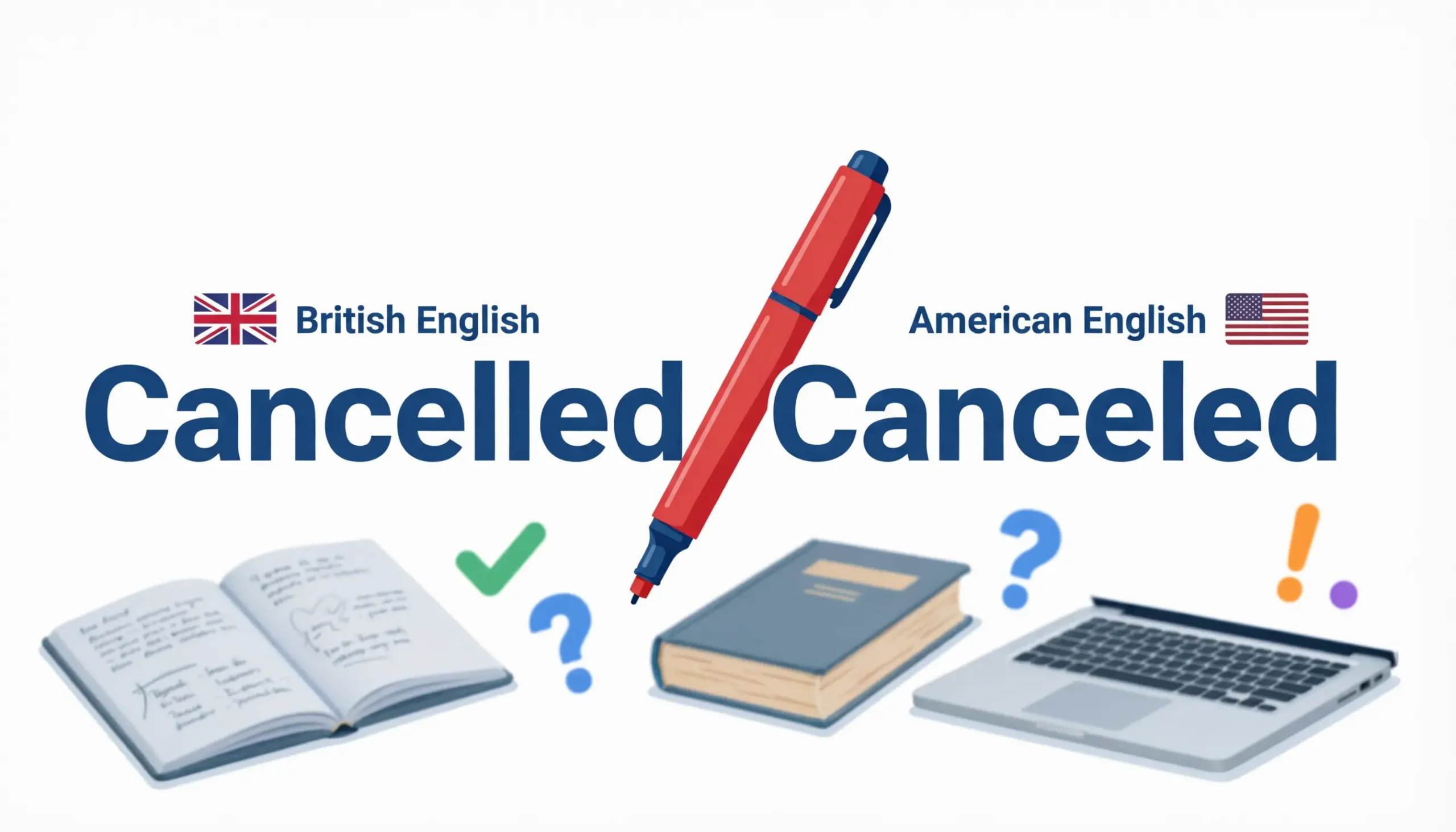
Have you ever typed “cancelled” and wondered if it should be “canceled” instead? You’re not alone. Many people search for cancelled or canceled because both spellings appear correct and both are!
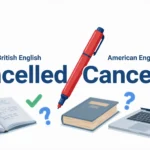
The confusion comes from differences between British and American English. This small spelling choice can matter a lot.
It affects emails, school writing, job applications, and even business communication.
Using the “wrong” version for your audience might look odd or unprofessional.
This article clears up the confusion in a simple way. You’ll learn the quick answer, the history behind the word, and when to use each spelling.
You’ll also see real life examples, common mistakes, and tips to help you choose the right version every time.
Cancelled or Canceled
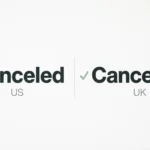
Both “cancelled” and “canceled” are correct.
- Canceled → American English
- Cancelled → British English
Examples:
- My flight was canceled. (USA)
- My flight was cancelled. (UK)
The Origin of Cancelled or Canceled
The word comes from the Latin word cancellare, meaning “to cross out.”
Over time, English speakers changed spellings. British English kept the pattern of doubling consonants (like travelled). American English simplified many words, dropping one “l” (like traveled).
This is why both versions exist today. They follow different spelling traditions.
British English vs American English Spelling
📊 Table View
| Feature | British English | American English |
|---|---|---|
| Verb form | cancelled | canceled |
| Rule | Double consonant before suffix | Often use single consonant |
| Example | travelled | traveled |
| Usage area | UK, Australia, Canada | United States |
Which Spelling Should You Use?
Choose based on your audience:
- For U.S. readers: use canceled
- For UK/Commonwealth readers: use cancelled
- For global audiences: pick one style and stay consistent
Tip:
If you’re unsure, follow the style guide your company or school uses.
Common Mistakes with Cancelled or Canceled
Here are common errors:
- ❌ Mixing both in one document
- ❌ Writing “cancelled” in U.S. formal writing
- ❌ Forgetting consistency
Correct usage:
- ✔ Pick one version
- ✔ Match your audience
- ✔ Stay consistent
Cancelled or Canceled in Everyday Examples
Emails:
- Your meeting has been canceled.
- Your meeting has been cancelled.
News:
- The event was canceled due to rain.
Social Media:
- Trip officially cancelled 😢
Formal Writing:
- The contract was canceled.
Cancelled or Canceled – Google Trends & Usage Data
Search data shows:
- “Canceled” is more popular in the United States
- “Cancelled” is more common in the UK, Canada, and Australia
Online platforms often use both. However, American websites tend to favor “canceled.”
Comparison Table: Keyword Variations
| Feature / Word Form | British English | American English |
|---|---|---|
| Base verb | cancel | cancel |
| Past tense | cancelled | canceled |
| Continuous | cancelling | canceling |
| Noun | cancellation | cancellation |
| Rule | Double consonant before suffix | Often use single consonant |
| Example | travelled | traveled |
| Usage area | UK, Australia, Canada | United State |
FAQs
1. Is “cancelled” wrong?
No, it is correct in British English.
2. Is “canceled” correct?
Yes, it is correct in American English.
3. Which spelling is more common?
“Canceled” is more common globally due to U.S. influence.
4. Should I use one spelling everywhere?
Yes, for consistency in writing.
5. What about “canceling” vs “cancelling”?
Same rule: American uses one “l,” British uses two.
6. Do style guides matter?
Yes, always follow your organization’s style guide.
7. Does Google accept both spellings?
Yes, search engines recognize both forms.
Conclusion
The difference between cancelled or canceled is simple once you know the rule.
Both spellings are correct, but they belong to different versions of English.
American English uses canceled with one “l,” while British English uses cancelled with two.
The key is not which spelling is “right,” but which one fits your audience.
If you write for a U.S. audience, use “canceled.”
If your readers are in the UK or other Commonwealth countries, use “cancelled.” For global content, consistency is most important.
Spelling may seem small, but it shapes how your writing is seen.
Clear and consistent language builds trust and professionalism.
By choosing the correct version and sticking to it, you make your message stronger and easier to understand.