Many people search for “grey or gray” because both spellings look correct but they are not always used in the same way.
This small difference confuses writers, students, bloggers, and even professionals. You may see “grey” in a book, but “gray” in a website or news article. So which one is right?
The truth is simple: both are correct, but they belong to different forms of English. One is used mainly in British English, and the other in American English. Still, confusion happens because global content on the internet mixes both styles.
People often want to know which spelling they should use in writing emails, essays, SEO content, or business documents.
This article solves that confusion. You will learn the meaning of grey/gray, their origin, spelling rules, real usage examples, and when to use each one. By the end, you will never mix them up again.
Grey or Gray Quick Answer
Both “grey” and “gray” mean the same color between black and white.
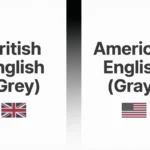
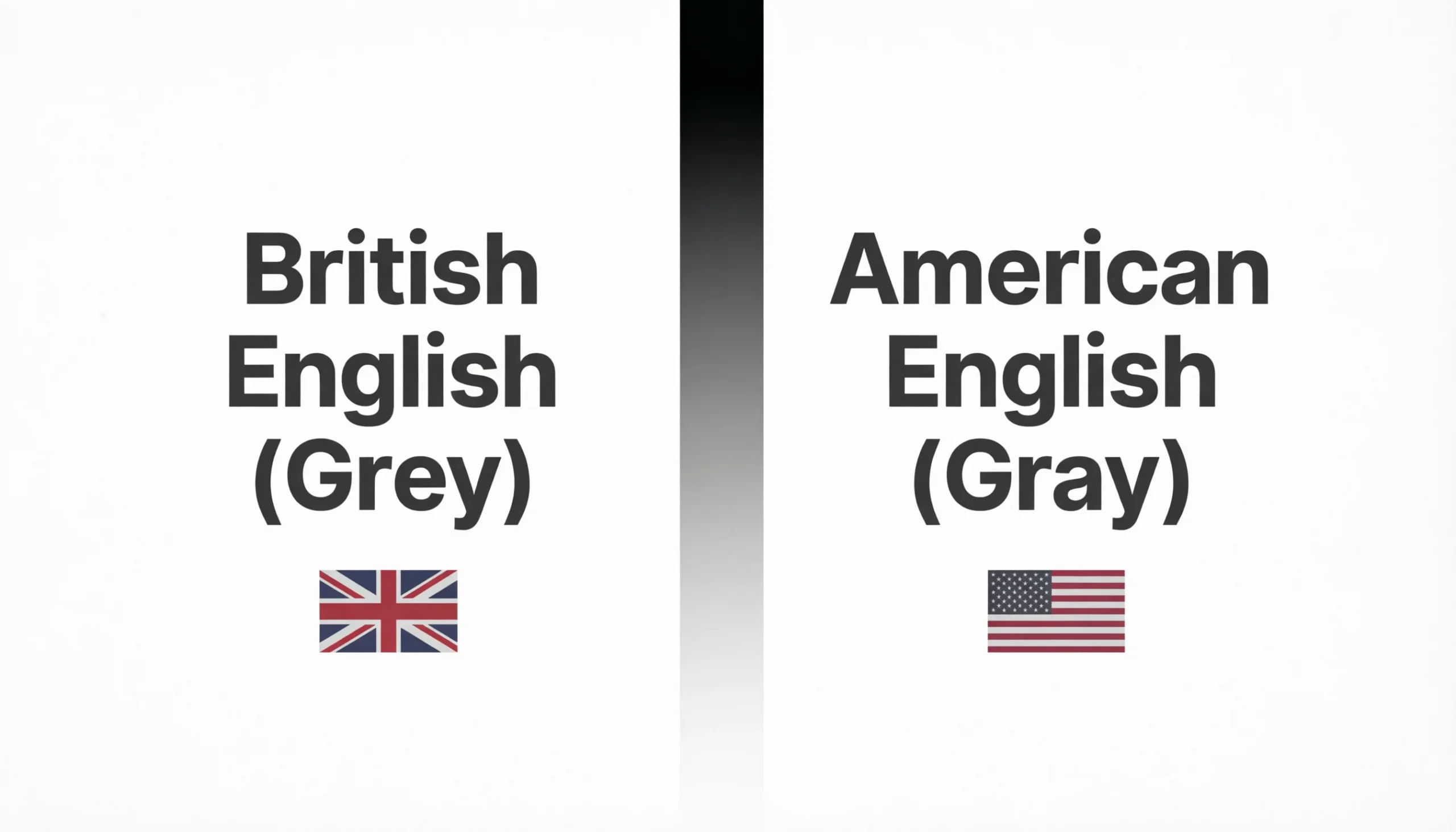
- Grey → British English (UK, Australia, Canada, New Zealand)
- Gray → American English (USA)
Examples:
- The sky is grey. (UK)
- The sky is gray. (US)
There is no difference in meaning only spelling.
The Origin of Grey or Gray
The word comes from Old English “grǣg”, used over 1,000 years ago. It referred to a color between black and white, often linked with fog, ash, or stone.
Over time:
- British English kept the spelling “grey”
- American English changed it to “gray” during spelling reforms in the 18th 19th century
The goal was simplification in American spelling, led by Noah Webster, who tried to make English easier and more consistent.
That is why today we have two correct versions of the same word.
British English vs American English Spelling
| Feature | British English | American English |
|---|---|---|
| Spelling | grey | gray |
| Region | UK, Commonwealth | USA |
| Usage | Formal + informal | Formal + informal |
| Meaning | Same | Same |
| Example | grey colour | gray color |
Which Spelling Should You Use?
Your choice depends on your audience.
Use “Grey” if:
- You write for the UK or Europe
- Your school uses British English
- You follow Commonwealth spelling rules
Use “Gray” if:
- Your audience is in the United States
- You write for American websites or clients
- You follow US English SEO standards
Global tip:
If your audience is worldwide, choose one style and stay consistent. Most blogs pick either US English (gray) or UK English (grey) and do not mix them.
Common Mistakes with Grey or Gray
Many writers make small errors with this word. Here are the most common ones:
1. Mixing both spellings in one article
❌ The sky is grey and gray today
✔ The sky is grey (or gray), but stay consistent
2. Thinking one is wrong
❌ “Gray is incorrect spelling”
✔ Both are correct in different regions
3. Using both randomly in SEO content
❌ Switching between grey and gray in one page
✔ Pick one version for SEO ranking consistency
4. Confusing it with meaning differences
❌ Thinking “grey” means darker shade
✔ No difference in meaning at all
Grey or Gray in Everyday Examples
Emails:
- UK: “The document is attached in grey format.”
- US: “The document is attached in gray format.”
News Writing:
- UK: “Grey clouds covered London.”
- US: “Gray clouds covered New York.”
Social Media:
- “Love my new grey hoodie!” (UK style)
- “Love my new gray hoodie!” (US style)
Formal Writing:
- Reports, essays, and business documents follow regional spelling rules.
Grey or Gray Google Trends & Usage Data
Search data shows clear regional preference:
- United States: “gray” is far more popular
- United Kingdom: “grey” dominates searches
- Canada & Australia: mostly “grey”
- Global internet content: mixed usage
Why this matters for SEO:
If your website targets:
- US traffic → use “gray”
- UK traffic → use “grey”
- Global traffic → choose one and stay consistent
Search engines prefer consistency, not mixing both spellings.
Comparison Table: Grey vs Gray Variations
| Word Type | British English | American English |
|---|---|---|
| Color | grey | gray |
| Hair turning white | grey hair | gray hair |
| Animal name | grey wolf | gray wolf |
| Usage in fashion | grey shirt | gray shirt |
| Emotional tone | grey mood | gray mood |
FAQs About Grey or Gray
1. Is “grey” or “gray” correct?
Both are correct. The difference depends on British or American English.
2. Which spelling is more common?
“Gray” is more common in the US, while “grey” is more common in the UK.
3. Does grey and gray have different meanings?
No. They mean exactly the same color.
4. Why does American English use gray?
It was simplified by early American language reforms to make spelling easier.
5. Should I mix grey and gray in writing?
No. Always stick to one style for consistency.
6. What is the SEO best choice?
Use the spelling your target audience prefers.
7. Is grey used in formal writing?
Yes, in British English. In US formal writing, use gray.
Conclusion
The difference between grey and gray is small but important for writing clarity and SEO.
Both words mean the same color, but they belong to different English systems. British English uses “grey,” while American English uses “gray.”
If you are writing for a specific audience, always match their spelling style. This helps your content look professional and improves trust.
For global content, consistency is the most important rule. Do not mix both spellings in the same article, as it can confuse readers and search engines.
In the end, there is no “right or wrong” choice only regional preference.
Once you understand this simple rule, you can write more confidently in emails, blogs, essays, and business content without second guessing your spelling again.