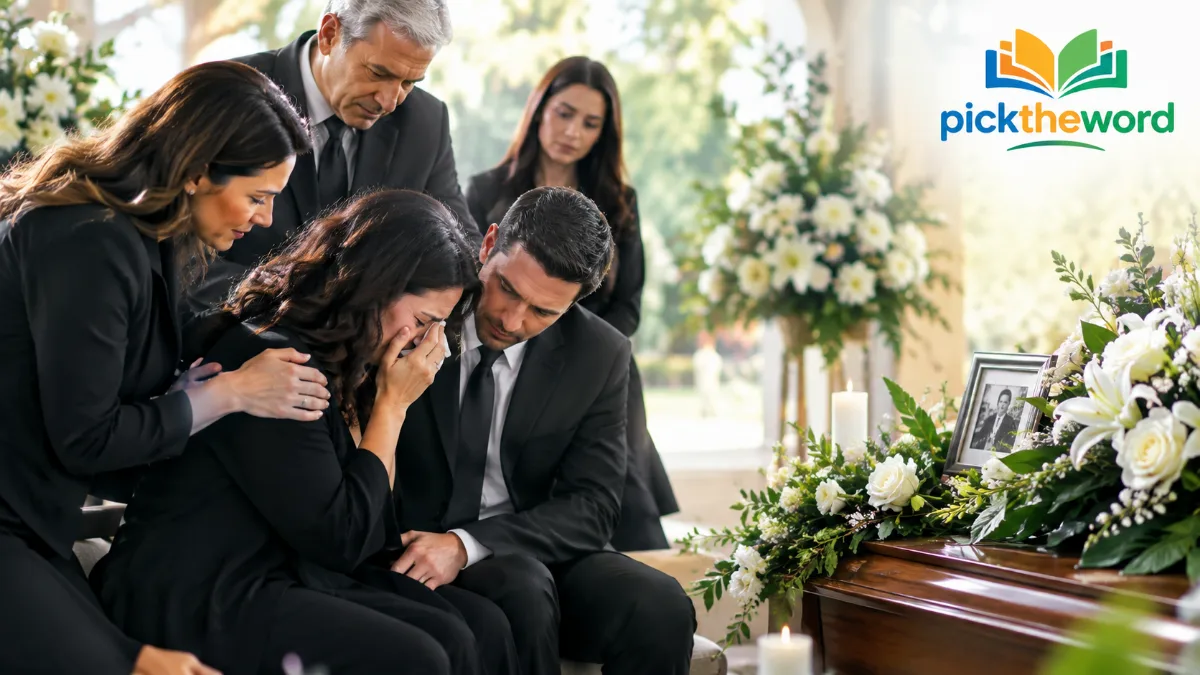
You may walk into a funeral, see the grieving family, and suddenly realize you have no idea what to say. You want to be supportive, but every sentence seems too small for the moment.
If you are wondering what to say at funeral services, viewings, visitations, or receiving lines, remember one important thing: you do not need perfect words. You need sincere words that acknowledge the loss and show that you care.
A simple “I’m so sorry for your loss” can be enough. If you knew the person who died, you can add a short, genuine memory. If you are close to the family, you can offer your presence orspecific help. And if you are too emotional to say much, simply being there can communicate a great deal.
This guide gives you practical words for different relationships and situations, including what to say at a funeral for a dad, mother, friend, family member, or coworker. It also explains what to say in a receiving line, during a eulogy, in a sympathy card, or when you simply do not know what to say.
Quick Answer:
What Should You Say at a Funeral?
The safest response is simple and sincere: “I’m so sorry for your loss. I’m thinking of you and your family.” If you knew the person who died, you can add one brief, positive memory. Keep your words gentle and avoid trying to explain, minimize, or fix the grief.
You do not have to make the grieving person feel better. Your role is simply to acknowledge the loss and let them know they are not alone.
What to Say at a Funeral in Person

At a funeral, keep your words brief, sincere, and focused on the person who has died and the people who are grieving.
You might say:
- “I’m so sorry for your loss.”
- “I’m thinking of you and your family.”
- “I’m so sorry. I’m glad I could be here with you.”
- “My heart goes out to you and your family.”
- “I’m here for you, whatever you need.”
- “I don’t have the right words, but I want you to know I care.”
If you knew the deceased, make your message personal:
- “I’ll always remember how kind he was to everyone.”
- “She always made people feel welcome. I’ll remember that about her.”
- “He meant a lot to me. I’m going to miss him.”
- “I have so many good memories of her. I’m very sorry for your loss.”
The best sentence is not necessarily the most beautiful one. It is the one you can say honestly.
In Practice
Imagine you approach a grieving family member and your mind goes blank.
You can simply say:
“I’m so sorry. I don’t really know what to say, but I wanted to be here.”
That is enough. You do not need to continue talking if the person becomes emotional. Give them space and let the moment be what it is.
What to Say at a Funeral Viewing
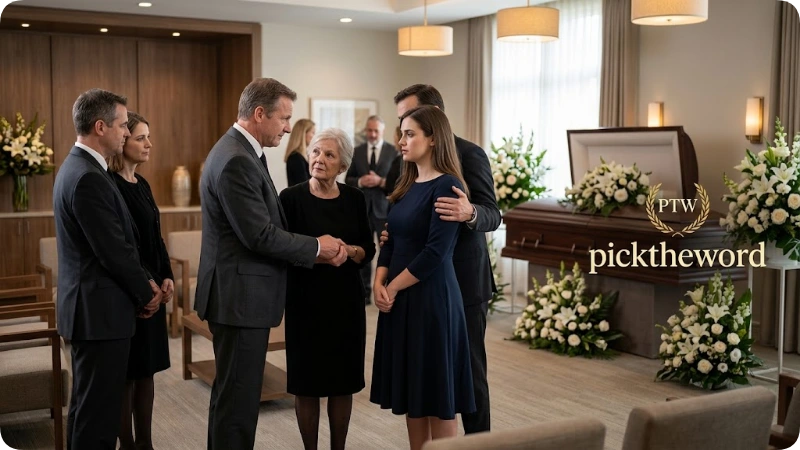
At a viewing, visitation, or wake, use a short condolence and let the grieving family decide if they want to continue talking.
A viewing can feel especially difficult because people may be standing close to the family while others are waiting nearby. Keep your first words simple.
Try:
- “I’m so sorry for your loss.”
- “I’m thinking of all of you.”
- “It’s good to see you, although I wish it were under different circumstances.”
- “I wanted to come and pay my respects.”
- “He will be deeply missed.”
- “She was a wonderful person. I’m so sorry.”
If you have a meaningful memory, share it briefly.
For example:
“I’ll always remember how she used to make everyone laugh. She had such a warm personality.”
Then stop. You do not need to turn the moment into a long conversation.
Why This Works
A brief message acknowledges the loss without demanding emotional energy from the family. The grieving person can respond, hug you, say thank you, or simply nod.
All of those responses are okay.
What to Say at a Funeral Receiving Line
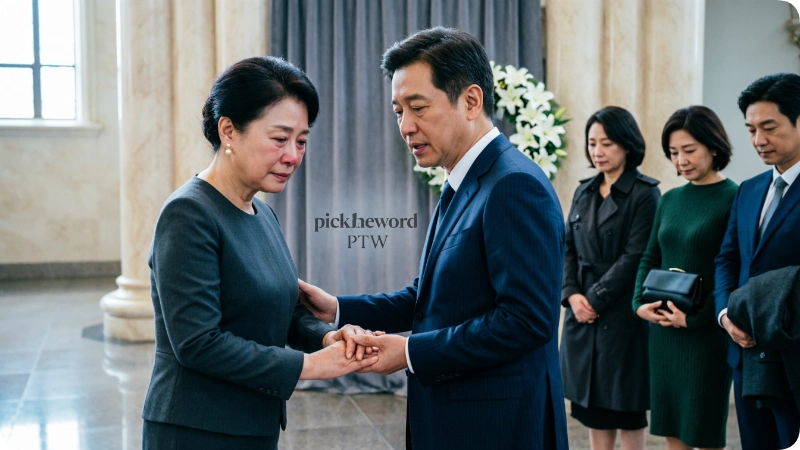
In a receiving line, keep your message especially short because the family may need to greet many people.
A useful structure is:
Acknowledge the loss + identify yourself if necessary + offer a brief expression of care.
For example:
“I’m Sarah. I worked with your father for several years. I’m so sorry for your loss.”
Or:
“I’m a friend of James. I wanted to come and support your family today. I’m so sorry.”
If the family knows you well, you can simply say:
“I’m so sorry. I’m thinking of you.”
Other options include:
- “I’m so sorry. He was a wonderful man.”
- “My thoughts are with you and your family.”
- “I’m glad I could be here today.”
- “She meant a lot to so many people.”
- “I’ll always remember him fondly.”
In Practice
If there is a long line behind you, do not feel pressured to tell a five minute story. A sincere sentence and a gentle goodbye are often more appropriate.
You might say:
“I’m so sorry. I have such good memories of your mother. I’ll be thinking of you.”
Then move along naturally.
Short does not mean uncaring.
What to Say at a Funeral for a Dad
When someone has lost their father, acknowledge the loss without assuming you know exactly how they feel.
You could say:
- “I’m so sorry about your dad. He was a wonderful person.”
- “I’m thinking of you and your family. I know how much your dad meant to you.”
- “Your dad always treated me with kindness. I’ll remember him fondly.”
- “I’m so sorry. I know this must be incredibly difficult.”
- “I’m here for you, today and in the days ahead.”
If you personally knew the father, a specific memory can make your words more meaningful:
“Your dad always made me feel welcome when I came over. I’ll always remember his kindness.”
Avoid comparing the loss to your own experience unless the grieving person invites that conversation.
What to Say at a Funeral for a Mother
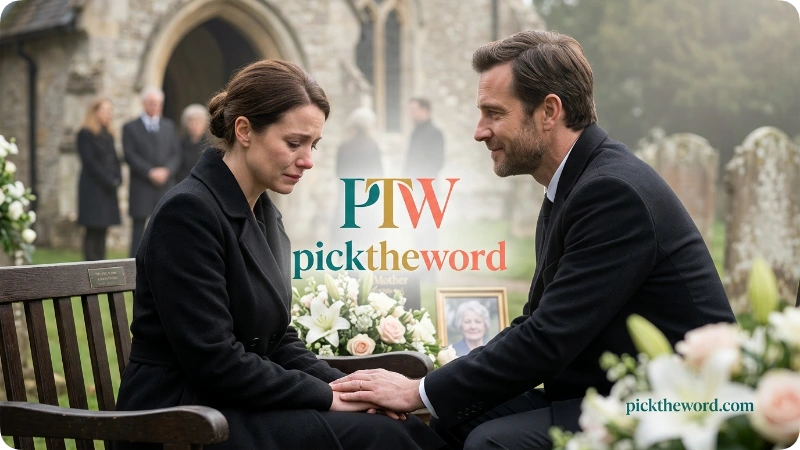
When someone loses their mother, simple sympathy combined with one sincere memory can be especially appropriate.
You might say:
- “I’m so sorry about your mother. She was a lovely person.”
- “I’m thinking of you and your family.”
- “Your mother always had such a warm smile. I’ll remember that about her.”
- “I’m so sorry. She will be deeply missed.”
- “Please know that I’m here for you.”
If you did not know the mother personally, do not pretend that you did.
Instead, say:
“I didn’t have the chance to know your mother well, but I know how much she meant to you. I’m very sorry for your loss.”
That is honest and respectful.
What to Say at a Funeral for a Friend
For a friend who is grieving, you can be warmer and more personal while still giving them room to grieve.
Try:
- “I’m so sorry. I’m here for you.”
- “I know how much they meant to you. I’m thinking about you.”
- “I’m so sorry you’re going through this.”
- “I’ll be here for you after today, too.”
- “You don’t have to go through this alone.”
If you knew the person who died, share one honest memory:
“I’ll always remember how he could make everyone laugh. I’m really going to miss him.”
A personal memory can remind your friend that their loved one mattered to other people too.
In Practice
Your friend may cry after you say something simple. You do not need to immediately stop the tears.
You can say:
“It’s okay. I’m right here.”
Sometimes quiet company is more helpful than another sentence.
What to Say at a Funeral to Family Members
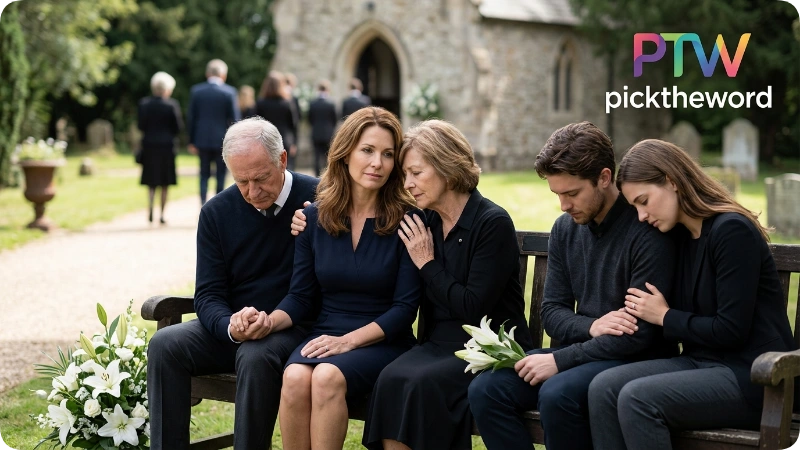
When speaking to immediate family, focus on sympathy, remembrance, and presence rather than advice.
For a close relative, you might say:
“I’m so sorry. I love you, and I’m here with you.”
For a more distant relative:
“I’m very sorry for your loss. I’m thinking of you and the whole family.”
If you are speaking to several family members:
“I’m so sorry for your loss. I hope you can find some comfort in being together and remembering them.”
Be careful with the word “comfort.” What feels comforting differs from person to person. Do not assume you know what they need.
What to Say at a Funeral Service
During or immediately after a funeral service, your words should respect the tone of the ceremony and the family’s emotions.
After the service, you might say:
- “That was a beautiful service.”
- “I’m very sorry for your loss.”
- “It was clear how loved they were.”
- “I’m glad I could be here today.”
- “I’ll keep you and your family in my thoughts.”
If a eulogy was given, you can acknowledge it:
“You spoke beautifully about your father. I know that must have been difficult.”
Do not feel obligated to comment on the service itself if you are unsure what to say. A simple expression of sympathy is always an option.
What to Say at a Funeral Eulogy or Speech
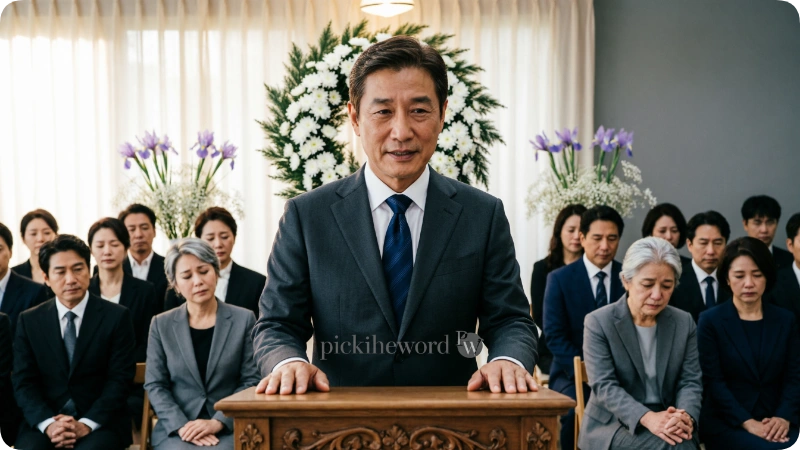
A funeral eulogy should focus on the person’s life, character, relationships, and meaningful memories rather than trying to explain death.
If you have been asked to say a few words, begin simply.
A simple opening
“Thank you all for being here today to remember Michael. He was someone who meant a great deal to many people, and I feel honored to share a few memories of him.”
Then talk about one or two genuine qualities or memories.
For example:
“One thing I will always remember about Michael was how easily he made people feel welcome. He had a way of turning an ordinary conversation into something memorable.”
You can then share a short story.
How to End a Funeral Speech
A gentle ending might be:
“We will miss him deeply, but we can also be grateful for the time we had with him and the memories he left with us.”
Or:
“I know many of us will carry his memory with us for years to come. Thank you for letting me share a few words about someone I will always remember.”
You do not need to make a eulogy dramatic. Honest and specific is often more powerful than elaborate language.
What to Say When You Don’t Know What to Say at a Funeral
If you genuinely do not know what to say, admit it gently instead of forcing a polished speech.
Try:
“I honestly don’t know what to say. I’m just so sorry.”
Or:
“There really aren’t words for this, but I wanted you to know I’m thinking of you.”
You can also say:
“I wish I had better words. Please know that I care about you.”
These phrases work because they do not pretend that a few sentences can remove someone’s pain.
In Practice
Sometimes the person grieving may say, “Thank you for coming.”
You can simply answer:
“Of course. I wanted to be here.”
There is no need to add a long explanation.
What to Say in a Short Funeral Message
For a card, guestbook, text, or brief note, write one or two sincere sentences rather than trying to say everything at once.
Examples:
- “I’m so sorry for your loss. Thinking of you and your family during this difficult time.”
- “My deepest sympathy to you and your family. I’ll always remember [Name] with great warmth.”
- “I’m very sorry. [Name] was a special person, and I’m grateful I had the chance to know them.”
- “Thinking of you and sending my heartfelt sympathy.”
- “I’m so sorry. Please know that you are in my thoughts.”
For a close friend:
“I’m so sorry. I love you, and I’m here for you. You don’t have to respond I just wanted you to know I’m thinking of you.”
That last part can be helpful when sending a message because it removes pressure to reply.
What to Say to Someone Attending a Funeral
If you are not attending the funeral but want to support someone who is, acknowledge what they are going through without making the conversation about yourself.
You could say:
- “I know today may be difficult. I’m thinking of you.”
- “I hope you have the support you need today.”
- “I’m thinking of you and your family.”
- “Take care of yourself today. I’m here if you need anything.”
- “You don’t need to reply. I just wanted you to know I’m thinking of you.”
If you are offering practical support, be specific.
Instead of:
“Let me know if you need anything.”
Try:
“I can bring dinner by tomorrow if that would help.”
A specific offer can be easier to accept than asking a grieving person to figure out what help to request.
What to Say to a Coworker or Acquaintance
For a coworker, manager, neighbor, or acquaintance, keep the message respectful and avoid assuming a level of closeness you do not have.
Good options include:
- “I’m very sorry for your loss.”
- “My thoughts are with you and your family.”
- “Please accept my sincere condolences.”
- “I’m sorry you’re going through this. Please take the time you need.”
- “I’m thinking of you during this difficult time.”
If you know the person professionally but did not know their loved one, you do not need to invent a personal story.
Simple sincerity is enough.
What to Say When You Knew the Person Who Died
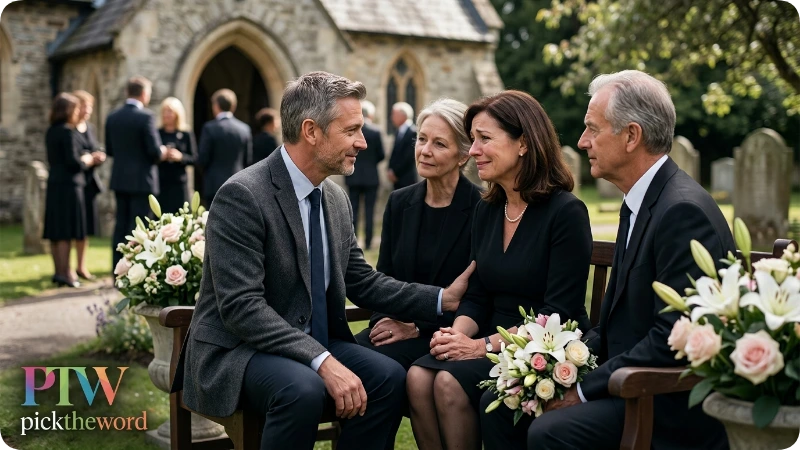
A short, specific memory can honor the deceased and show the family that their loved one mattered to you.
A useful pattern is:
Name the person + share one true quality or memory + express sympathy.
For example:
“I’m so sorry. I’ll always remember how generous David was with his time. He made a real difference to me.”
Or:
“I’m thinking of you. Your mother was always so kind to me, and I’ll remember her warmly.”
Keep the memory appropriate to the setting. A small, sincere detail is usually better than a long story when the family is greeting many guests.
What NOT to Say at a Funeral
Avoid words that minimize the loss, make assumptions about beliefs, compare grief, or pressure someone to feel better.
1. “Everything happens for a reason.”
Even if you believe this personally, it may not comfort someone who has just experienced a loss.
Try instead:
“I’m so sorry. I can’t imagine how difficult this is.”
2. “They’re in a better place.”
This assumes the grieving person’s religious or spiritual beliefs and can unintentionally shift attention away from their pain.
Try instead:
“I’m thinking of you and your family.”
3. “At least they lived a long life.”
A long life does not make losing someone painless.
Try instead:
“They had a long life, and I’m so sorry you have to say goodbye.”
4. “I know exactly how you feel.”
Even if you have experienced a similar loss, you cannot know exactly what another person is feeling.
Try instead:
“I’m so sorry. I can’t know exactly what this feels like for you, but I’m here.”
5. “You need to stay strong.”
People grieve in different ways. Crying, silence, anger, confusion, or exhaustion can all be part of grief.
Try instead:
“You don’t have to have the right words or feelings today. I’m here with you.”
How to Choose the Right Words
Choose your words based on your relationship, the setting, the family’s beliefs, and how much conversation the person seems to want.
A close friend may welcome a personal memory. A coworker may prefer a short professional condolence. A receiving line calls for fewer words than a private conversation after the service.
A useful rule is:
If you are unsure, say less and mean it.
You can always have a longer conversation later.
Different families and cultures also have different funeral traditions. Some welcome religious expressions and prayers; others may prefer secular language. Follow the family’s customs and cues rather than assuming that one style fits everyone.
Quick Reference Table
| Situation | Best Response | When to Use & Tone |
|---|---|---|
| General funeral | “I’m so sorry for your loss.” | Almost any situation; sincere |
| Viewing | “I’m thinking of you and your family.” | Brief, gentle |
| Receiving line | “I’m so sorry. I wanted to be here.” | Short and respectful |
| Lost a father | “I’m so sorry about your dad.” | Personal and warm |
| Lost a mother | “I’m so sorry about your mother.” | Personal and warm |
| Close friend | “I’m here for you. You don’t have to go through this alone.” | Warm and supportive |
| Coworker | “Please accept my sincere condolences.” | Professional and respectful |
| You knew the deceased | “I’ll always remember how kind they were.” | Personal and specific |
| You did not know them | “I’m very sorry for your loss.” | Simple and appropriate |
| You feel speechless | “I don’t know what to say, but I’m so sorry.” | Honest and gentle |
| Funeral card | “Thinking of you and your family during this difficult time.” | Written condolence |
| Text message | “I’m so sorry. No need to reply I’m thinking of you.” | Low pressure |
| Eulogy | “I’m honored to share a few memories today.” | Formal and personal |
FAQs
What is the best thing to say at a funeral?
A simple “I’m so sorry for your loss” is appropriate in most situations. If you knew the deceased, you can add a short, genuine memory. The goal is not to fix grief but to acknowledge the loss and show care.
What should I say at a funeral viewing?
Keep your words short and respectful. You can say, “I’m so sorry for your loss,” or “I’m thinking of you and your family.” If you knew the deceased, one brief memory can make your message more personal.
What should I say in a funeral receiving line?
A receiving line usually calls for only a few words. Try “I’m so sorry,” “I’m thinking of you,” or, if the family may not recognize you, introduce yourself and briefly explain your connection to the deceased.
What do I say at a funeral for someone’s dad?
You can say, “I’m so sorry about your dad. I’m thinking of you and your family.” If you knew their father, adding one true memory or quality can make your words more meaningful.
What do I say at a funeral for someone’s mother?
Say something simple such as, “I’m so sorry about your mother. She will be deeply missed.” If you knew her, you can briefly mention a quality or memory you genuinely appreciated.
What should I say at a funeral for a friend?
Speak warmly and honestly. “I’m so sorry. I’m here for you, and you don’t have to go through this alone” is appropriate for a close friend. Let them decide if they want to talk more.
What should I say if I don’t know what to say at a funeral?
You can say exactly that in a gentle way: “I don’t know what to say, but I’m so sorry.” Admitting that words are difficult can be more natural than trying to create a perfect speech.
What are some comforting words for a funeral?
Useful phrases include “I’m so sorry for your loss,” “I’m thinking of you,” “I’m here for you,” and “I’ll always remember them.” Choose words that genuinely fit your relationship and the family’s situation.
How do I start a few words at a funeral?
If you are giving a eulogy, begin by acknowledging why everyone has gathered: “Thank you all for being here today to remember…” Then introduce your relationship with the deceased and share one meaningful memory.
Should I talk about the person who died?
Yes, if the situation feels appropriate. Saying the person’s name or sharing one sincere memory can honor them and show the family that they are remembered. Keep the story brief when the setting is a receiving line or crowded visitation.
Conclusion
Knowing what to say at funeral does not mean finding a perfect speech. In moments of grief, simple and sincere words are often the most appropriate.
Start by acknowledging the loss. Say that you are sorry. If you knew the person who died, share one genuine memory. If you are close to the family, offer support without putting pressure on them to respond or explain how they feel.
Most importantly, do not worry about making your words sound impressive. A quiet “I’m so sorry,” a remembered story, or simply “I’m here” can be enough.
Grief cannot be fixed with a sentence, and it does not need to be. Your presence, kindness, and willingness to stand beside someone during a painful moment are what matter most.

Hi, I’m Virginia Woolf, a language enthusiast passionate about exploring the power of words and their meanings. I specialize in helping readers choose the right words through clear comparisons, synonyms, and practical usage. My goal is to make vocabulary learning simple, engaging, and useful for everyday communication. picktheword.com